Deep, deep how deep can we go and whom do we know whom we know we think …
(We start out with such endearing presences, and can’t figure out how we lose that charm).
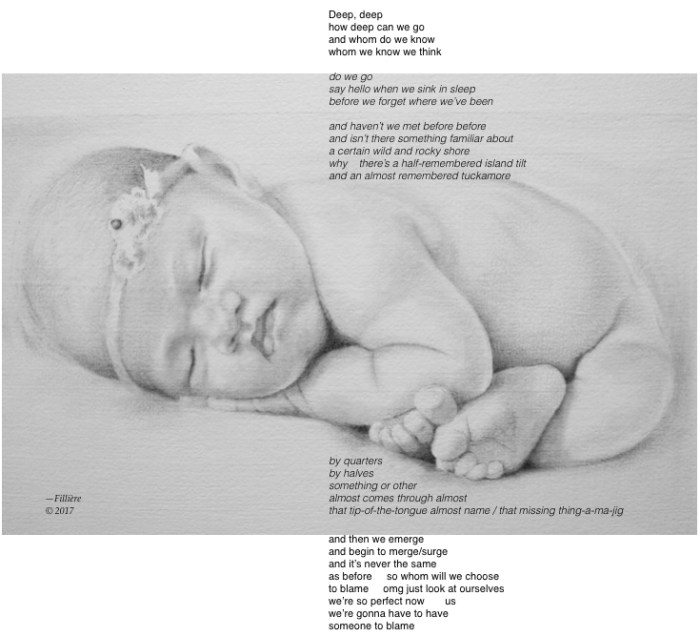
Deep, deep how deep can we go and whom do we know whom we know we think …
(We start out with such endearing presences, and can’t figure out how we lose that charm).
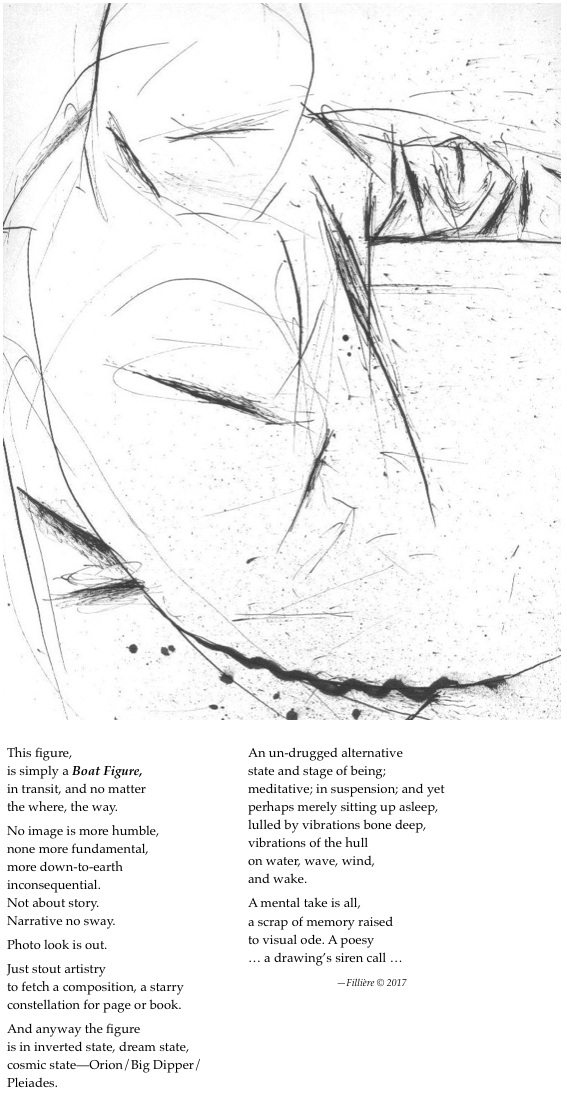
This figure, is simply a Boat Figure, in transit, and no matter the where, the way.
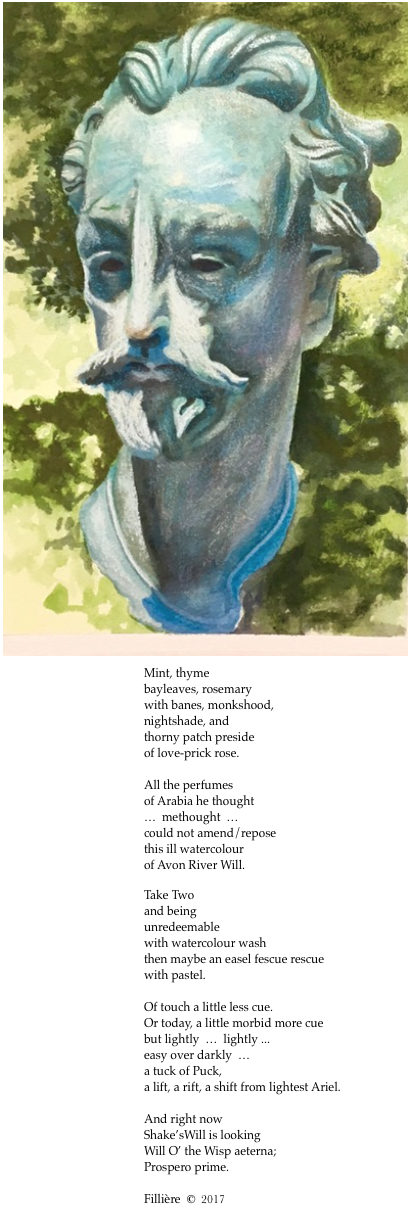
In its Shakespearean Gardens, Stratford, Ontario there’s a striking sculpture of The Bard. I had tried to make a watercolour of it which failed miserably, until I attempted a correction with pastel, whereupon it suddenly came alive. This is a tale of that process.
Skylight, how ready with lavenders, greys, blues, and almond touch of sun
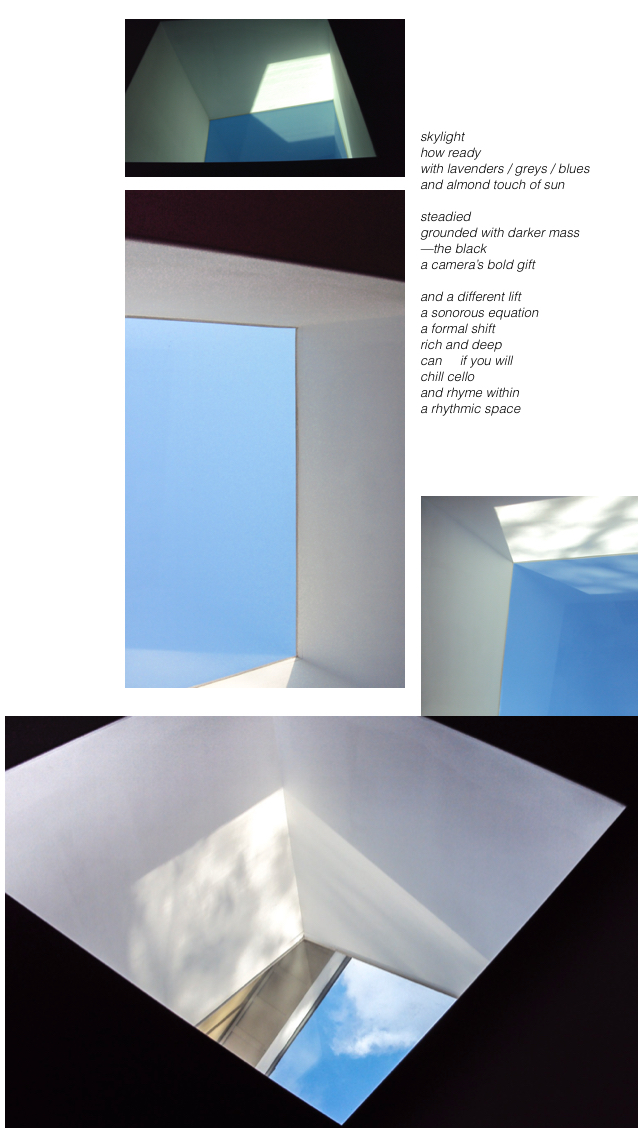

cold unbraid, bold unsplice, untie, unmoor coarse hemp of hold
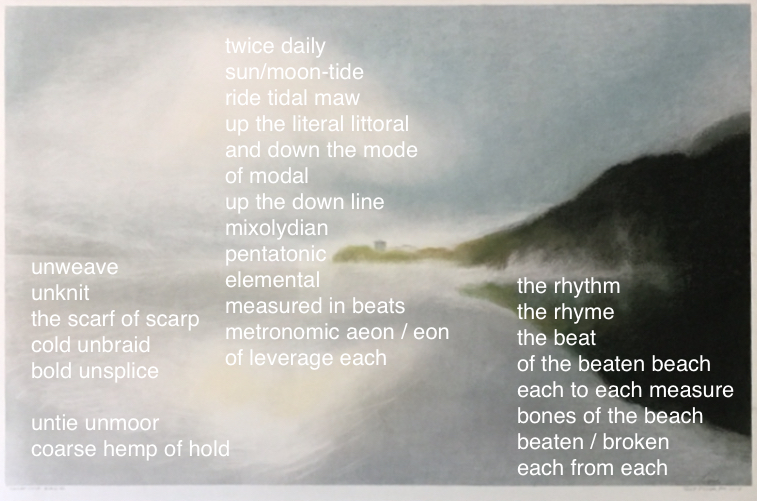
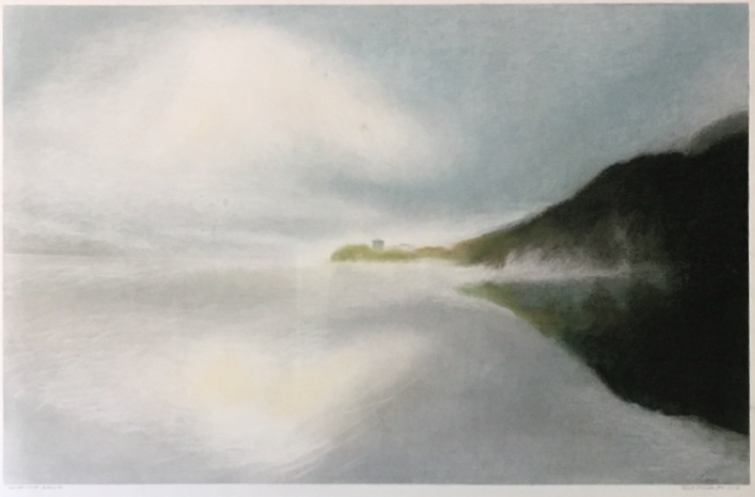
(In celebration of a new poem and pastel drawing, both from February 2017: Fillière). The pastel, without imposed poem, as below, has gone to live permanently with a cousin.
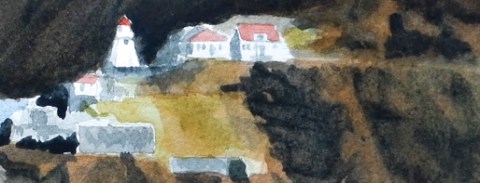
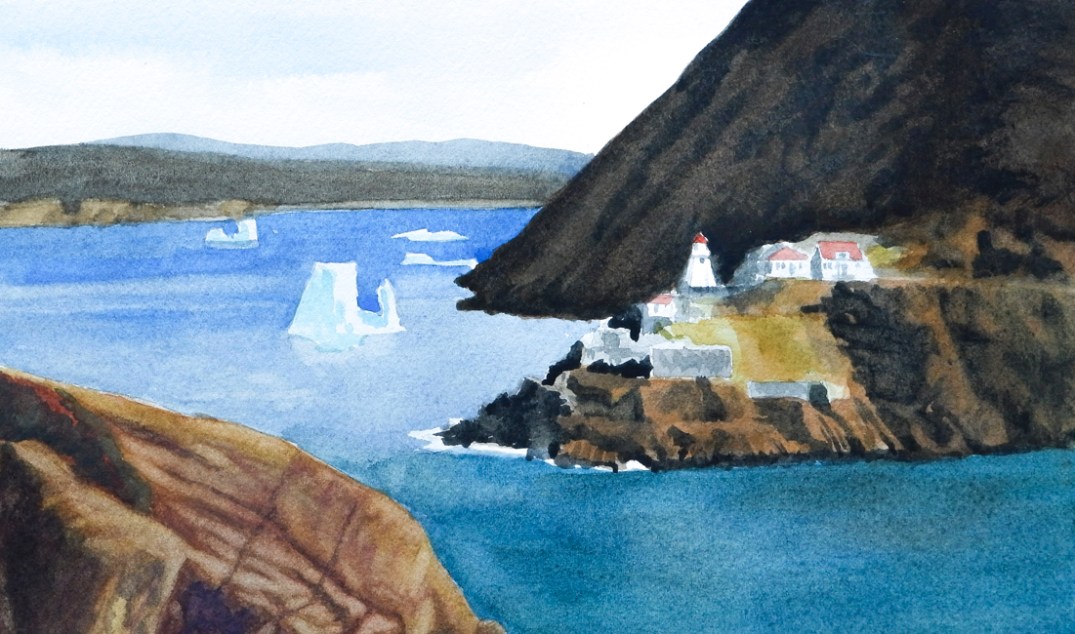
Transitory light of a setting sun emblazons the Fort Amherst south-side headland of St. John’s, NL in late April 2015. The viewpoint, from the Signal Hill side of The Narrows, is evanescent and spectacular where a climber, high, high, high amongst the rocks is breathless with vertigo not only from the steep climb up from The Battery, but from the stunning beauty of the distant view of lighthouse, houses, and support buildings in their dazzling display of white structures with red roofs, set against steep, stark shadows. Below them there is a large, steeply pitched area of withered grass with just a hint of seasonal change to green. Below that, several grey World War 2 concrete defence bunkers, with their crude early forms of architecture brut perched precariously, scrunched down, pretending to be equals of ancient, eternal crag, scarp, and cliff. At the final level down is the patient ocean with its longing to subdue the vain concrete forms.
A little offshore some pack ice and bergs imperceptibly drift into intertidal oblivion. The climber, clinging and resting amid some shrubbery in a rock crevice, steadies herself with one hand, and with the other raises her phone to capture the ephemeral scene. Breath held and then there is one barely audible fleeting click to record it, and some other clicks to send a copy on to me and others.
This week, two years later, I’ve used cousin Brenda’s photo to interpret the scene in what is considered to be the most useful medium to capture transient and fleeting effects: watercolour. Perhaps I can tool the temporary into something that might endure, like the bunkers, for at least some generations beyond my immediate goal.
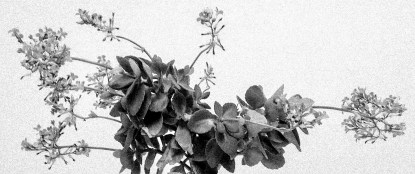
Yesterday I processed still further the photos from my Wednesday posting of a recently broken Kalanchoe but this time omitting its muted orange-red of bloom, and its brilliant glossy green of leaf.
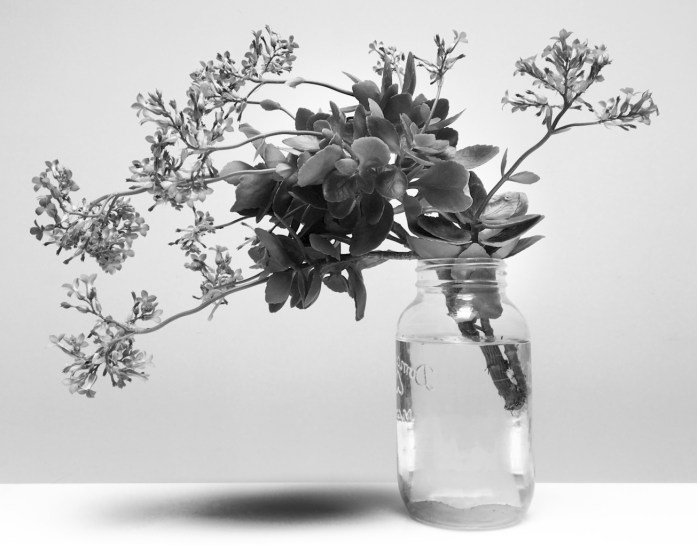
Astonishment: The result was anything but diminished. Shape, form, texture, and tone could more clearly have their turn to dance and pose under a quiet light.
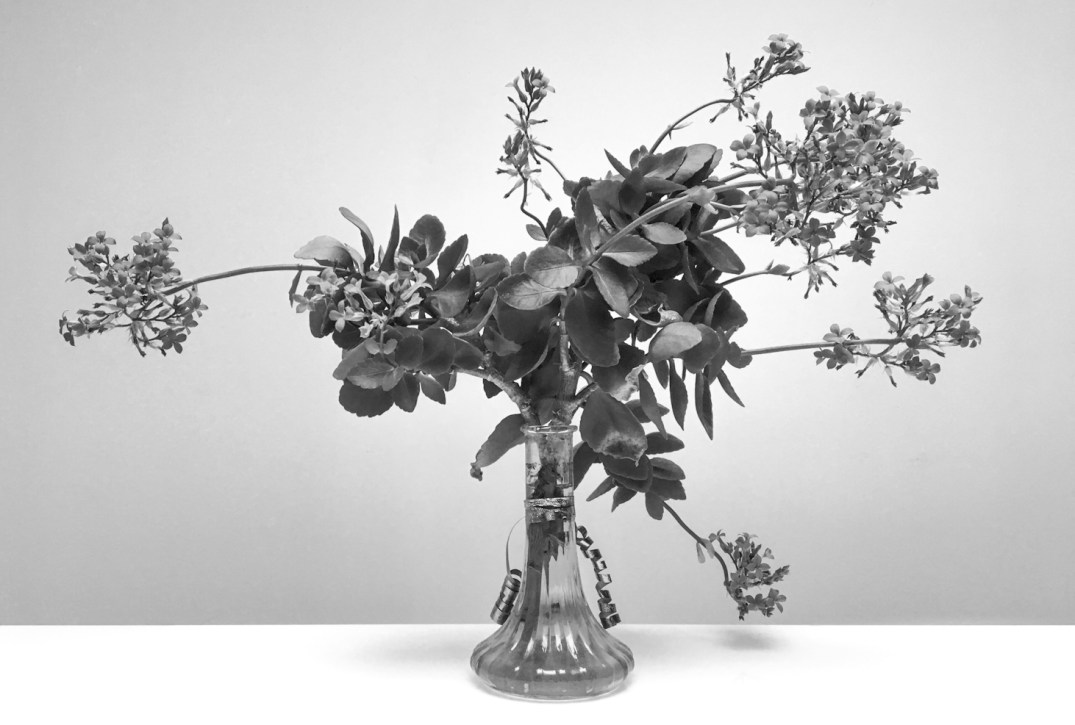
A pretty plant turns art object; something of the nonpareil, something pleasing, somewhat meditative/contemplative, and soothing for the searching eye.
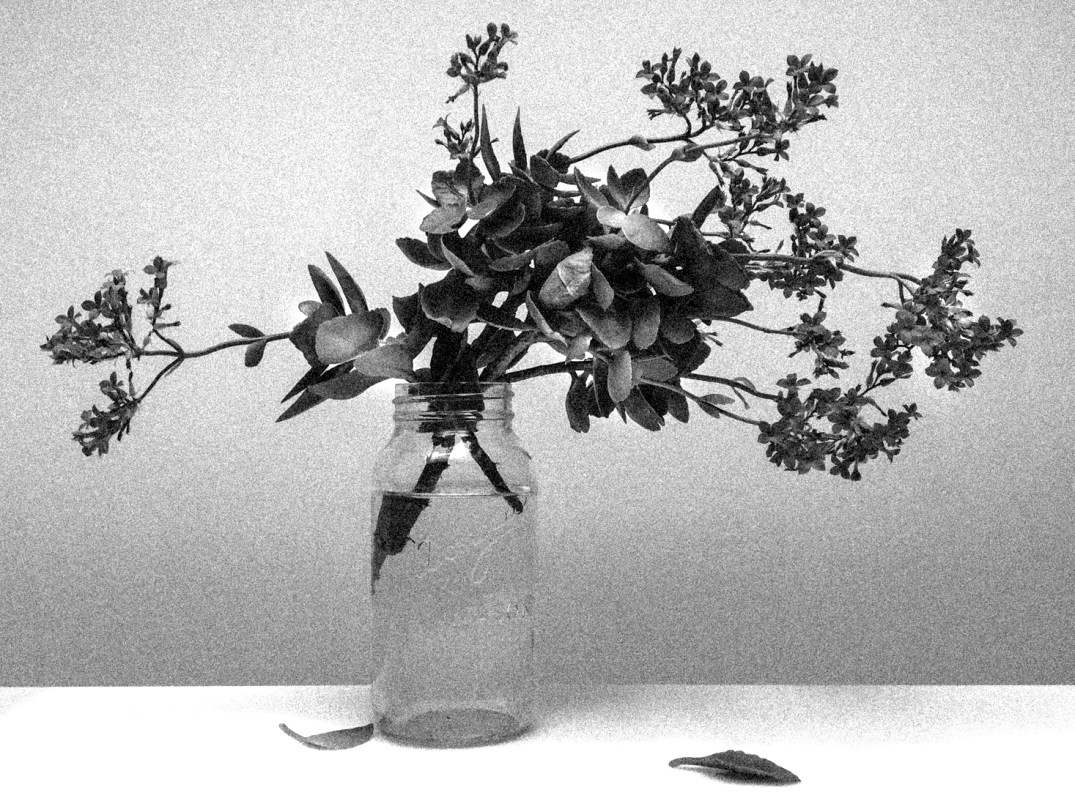
Two weeks ago, too heavy with bloom I presume, much of my Kalanchoe fell out of its container.
So heavy were the stems that they tore themselves off at the root simply from the mass of flowers, leaves and stem. Could be I overwatered and the succulent stems stored moisture until they were too heavy. Or: this may also simply be part of the plant’s reproductive strategy, and I am merely a different kind of bee.
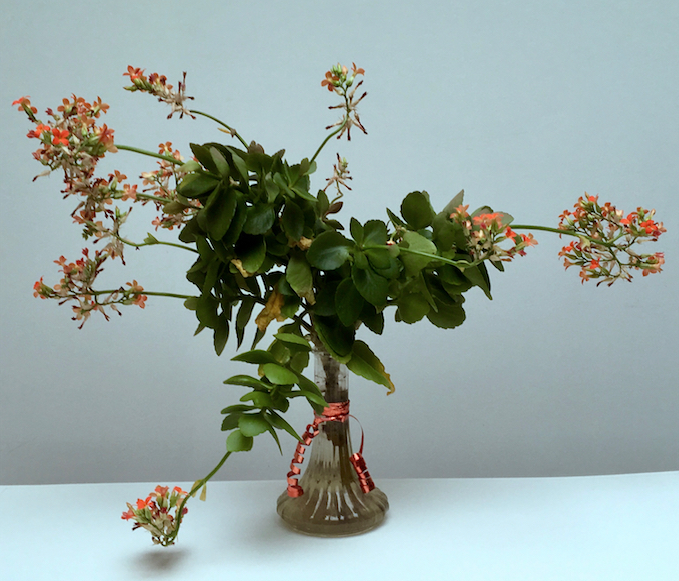
It had been in bloom for nearly three months, indoors of course, as it is a tropical plant, an exotic from places like Madagascar, and from eons of genetic memory still prefers to bloom during our winter. The stems that fell out were so loaded with dead-gorgeous glossy green leaves and clusters of small, orange-red, 4-petalled flowers that I pulled out a glass vase and a glass preserve jar and put a couple stems, along with water, in each container, and put them back on window benches so I could spread the spectacle of its particular danse-chorale wider and deeper into this slow Spring.
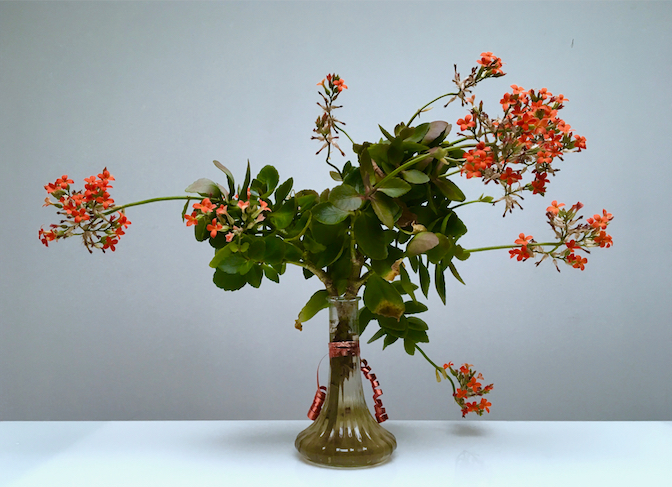
Already each stem has grown roots ready to become new plantings, and enough of the original plant remained in the container for a healthy regrowth as soon as it is warm enough to put it outdoors.
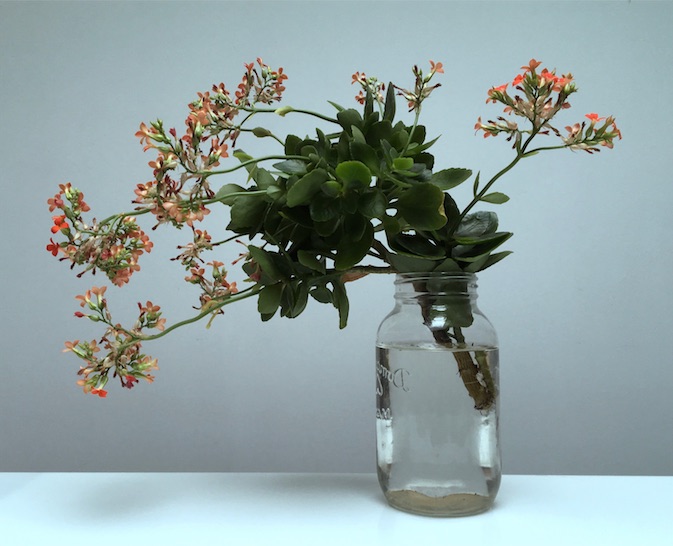
In the meantime today was the day to make a visual record under natural light and without embellishment of any kind just to celebrate an ordinary Kalanchoe’s extraordinary interpretation / meditation / grasp and poetic take on the grace of being.
 fillière