Kalanchoe B&W

Kalanchoe2D

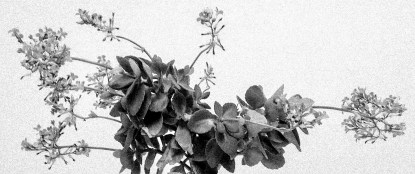
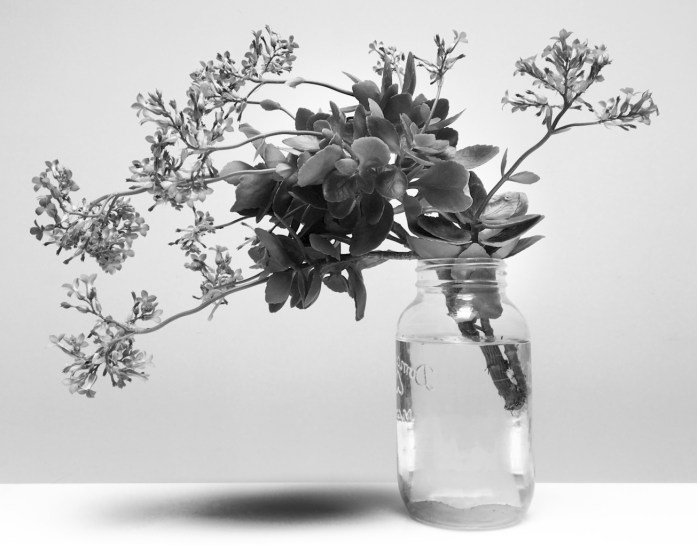
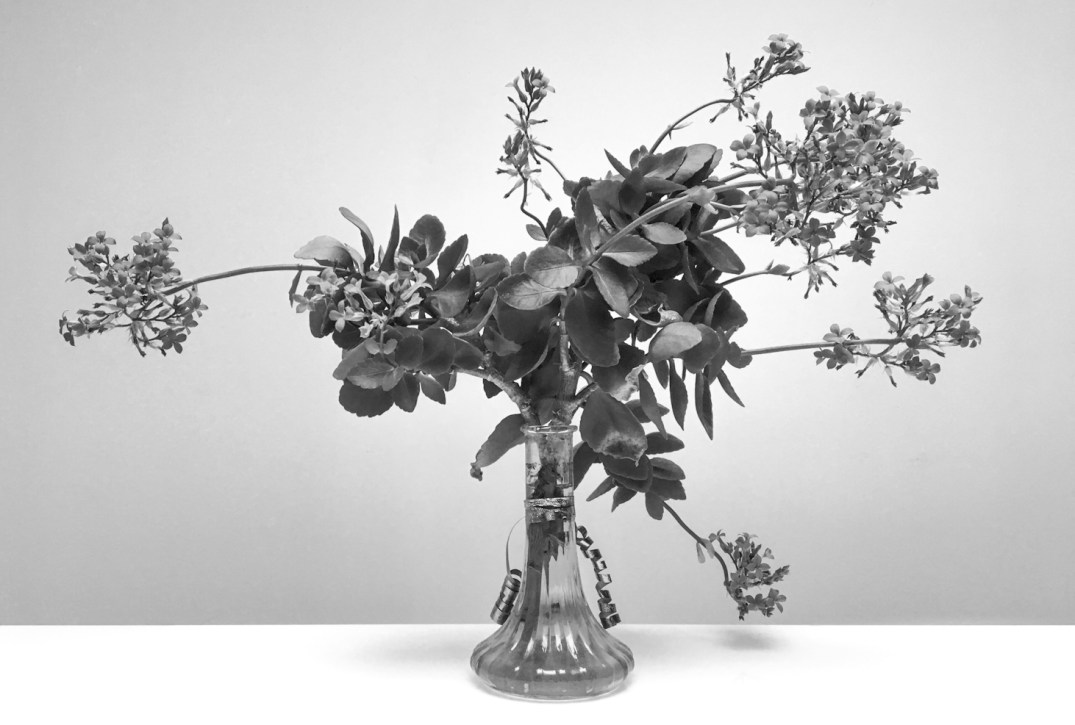
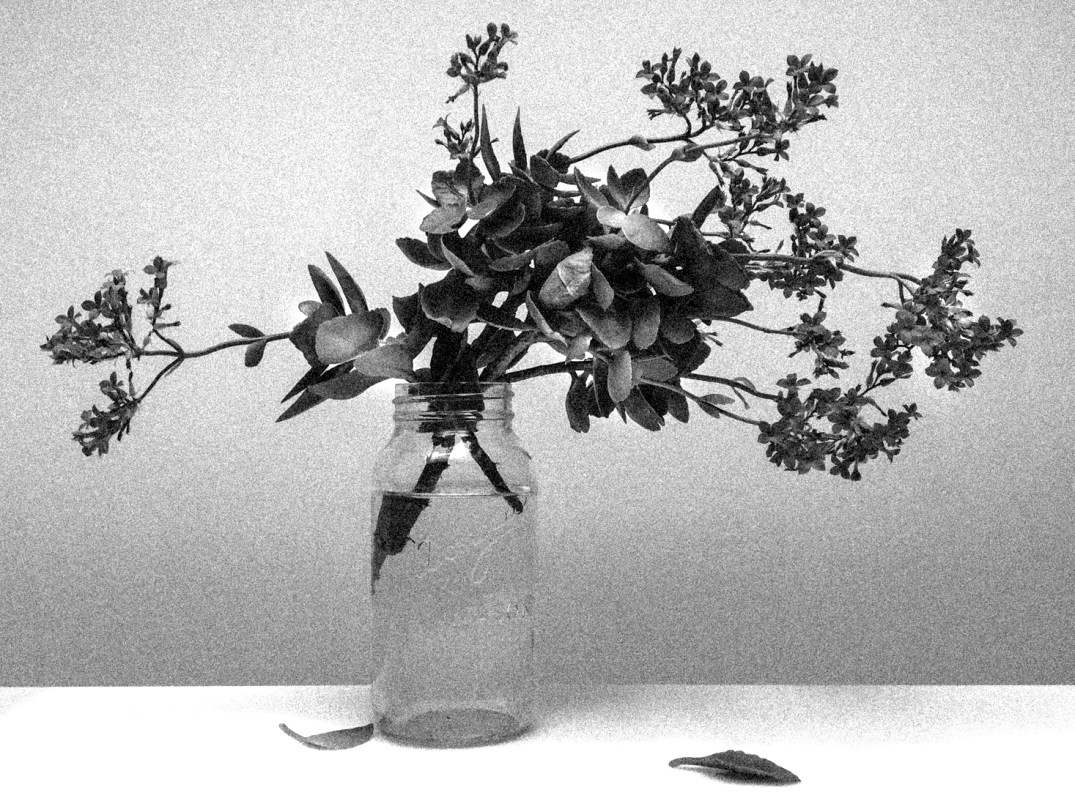
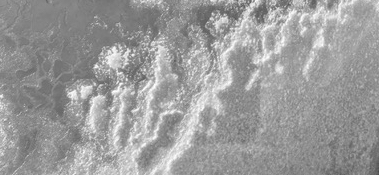
Yesterday I processed still further the photos from my Wednesday posting of a recently broken Kalanchoe but this time omitting its muted orange-red of bloom, and its brilliant glossy green of leaf.

KalanchoeB1

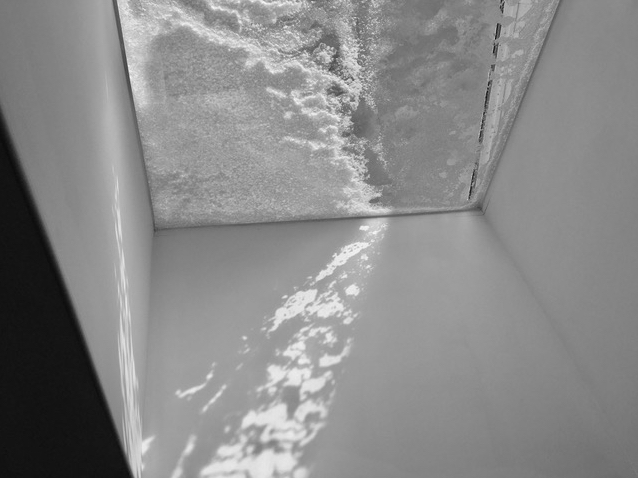
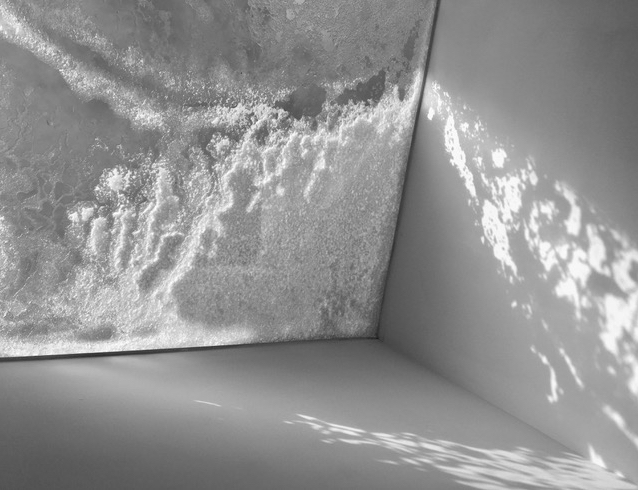
Astonishment: The result was anything but diminished. Shape, form, texture, and tone could more clearly have their turn to dance and pose under a quiet light.

KalanchoeB2

A pretty plant turns art object; something of the nonpareil, something pleasing, somewhat meditative/contemplative, and soothing for the searching eye.

Kalanchoe2C


Kalanchoe Poetics

Two weeks ago, too heavy with bloom I presume, much of my Kalanchoe fell out of its container.

So heavy were the stems that they tore themselves off at the root simply from the mass of flowers, leaves and stem. Could be I overwatered and the succulent stems stored moisture until they were too heavy. Or: this may also simply be part of the plant’s reproductive strategy, and I am merely a different kind of bee.

Kalanchoe1

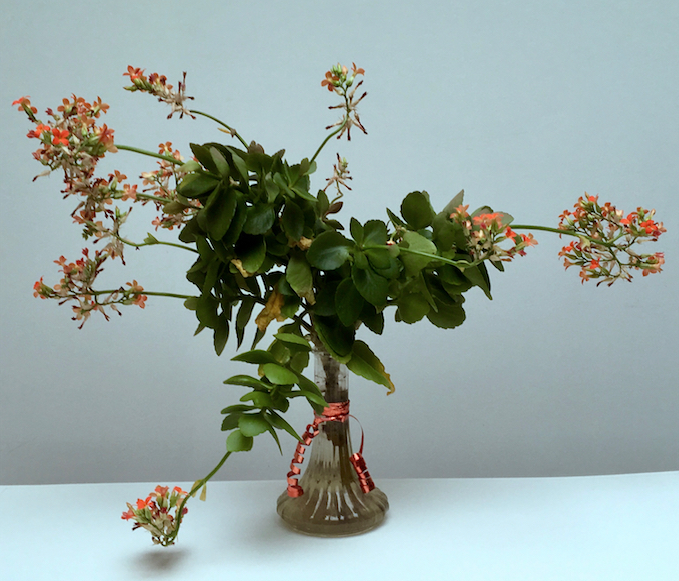
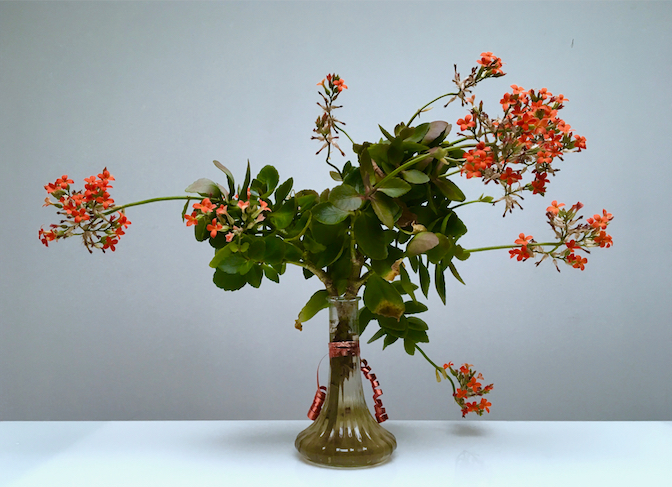
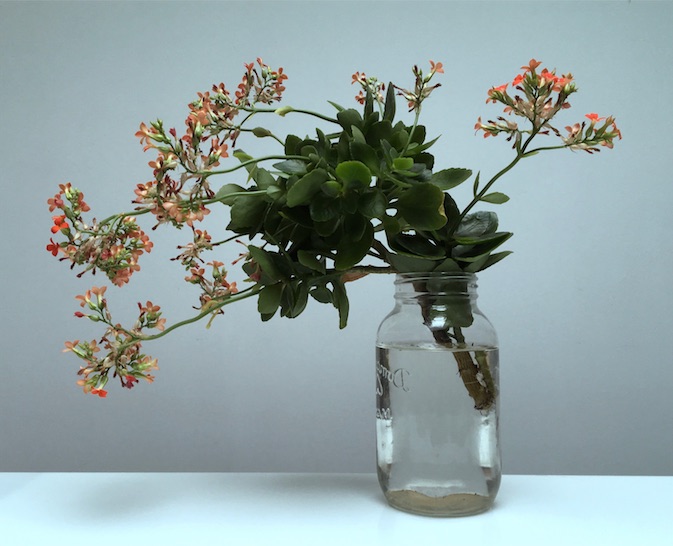
It had been in bloom for nearly three months, indoors of course, as it is a tropical plant, an exotic from places like Madagascar, and from eons of genetic memory still prefers to bloom during our winter.  The stems that fell out were so loaded with dead-gorgeous glossy green leaves and clusters of small, orange-red, 4-petalled flowers that I pulled out a glass vase and a glass preserve jar and put a couple stems, along with water, in each container, and put them back on window benches so I could spread the spectacle of its particular danse-chorale wider and deeper into this slow Spring.

Kalanchoe3

Already each stem has grown roots ready to become new plantings, and enough of the original plant remained in the container for a healthy regrowth as soon as it is warm enough to put it outdoors.

Kalanchoe2

In the meantime today was the day to make a visual record under natural light and without embellishment of any kind just to celebrate an ordinary Kalanchoe’s extraordinary interpretation / meditation / grasp and poetic take on the grace of being.

J. D’s GD Punt

via Daily Prompt: Cranky

In the marine environment into which I was born and raised the word cranky primarily described and implicated certain boats.

Implicated? Yes indeed: It was ethically, even morally reprehensible to own such a conveyance. And even more so to lend it out without fair warning.

“Don’t ever borrow Jack Denney’s punt”, neighbours would caution with lowered voices, “not fit to talk about.”

Nothing precisely had been said about said boat, and nothing else needed saying; John Denney owned and was always eager to lend out his beloved self-built cranky boat, and one could see from his self-built bungalow that if ever it went to sea it would be as cranky as his punt.

The absence of roads, and I warrant you Gleeville was a long way from being Venice or Amsterdam, this absence of roads compelled dories, punts, and putt-putt motorboats to be, in the early 1940s, aside from walking, the major conveyance from one outport to another, or locally from up-town Tickles Bridge to down-town Barred Island; or, for Social Use, merely across-town for High Tea with Aunt Floss and Uncle Si in Logan’s Cove. Aunt Floss had long ago publicly condemned both her son’s boat and his house.

Thus cranky had almost no connection whatever with the way I, or anyone out-of-sorts might be feeling, but everything to do with the fear and anxiety engendered, if Mother, holding me in her arms, passed me into father’s waiting arms, with him already standing, or even already seated in Uncle J. D’s GD cranky boat. The unstable, unpredictable wobble that could follow was hair-raising, (even for father with his thinning hair), ((even for a somewhat bald three-year-old)), and became all the more dangerous if I added to it with flailing limbs, and terror-filled squalls.

And so it was that I quietly absorbed the word cranky right along with the imprinted smell of salt in the air, and the sound of high-tide waters slapping gently at the posts that supported Grandmother Denney’s house on its granite boulders in our sheltered little cove. Along with that absorption came a life-long aversion to becoming, or wallowing in any expression of willfulness or instability of emotions. Crankiness and stability have always seemed to me, like boats, to be conveyance options of choice.


Ripples of Ending / Beginning

Beautiful BlindA

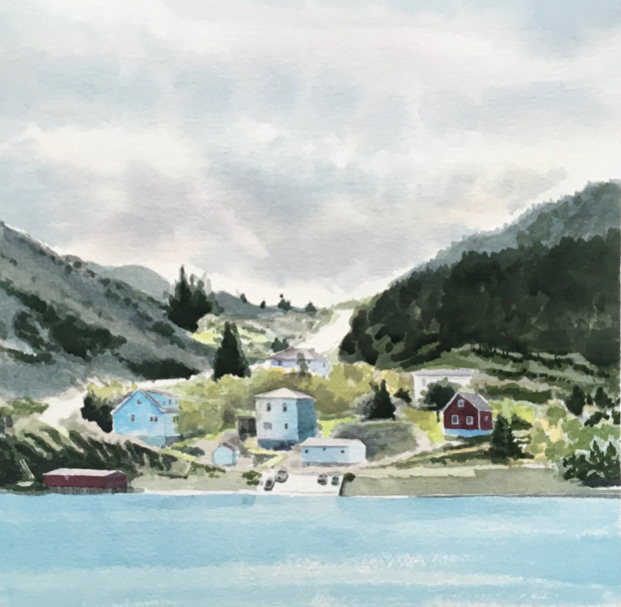
Several days ago, in an upstairs storage area, having recently returned to making watercolours after a five, seven, perhaps even a 10-year hiatus, I pulled my old stretching board for wc paper from its position behind some old art materials and supplies.

“Bonus,” the board beamed with a near-auditory inflection, as it held an already stretched piece of first-class paper still taped into position. The ‘Arches’ stamp in the lower left corner identified it as such. And the fact that I was seeing that imprint in reverse ought to have tipped me off to the exact nature of my later discovery.

I’d already chosen my subject so without thinking twice I installed this big one-inch-thick slab of warp-resistant plywood with its stretched paper onto my easel, and at once set about to pencil in some marks that would help me lock down the landscape I hoped to render in watercolour.
Beautiful BlindB

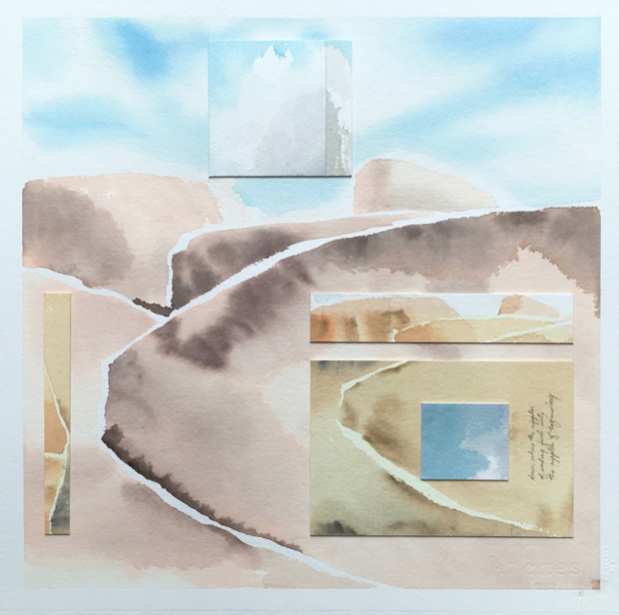
For our purposes in this story we can speed-edit forward to about three days later and a successfully executed painting. New to the watercolour game again I chose to approach the image in about four well paced out stages rather than in the one all-or-nothing emotional gamble one can otherwise take with watercolours. So now it was time to untape the image, separate the finished work from the board, and view it without the messy tape at its edges. In that process the item fell to the floor and in so doing revealed its reverse side.
Beautiful BlindC

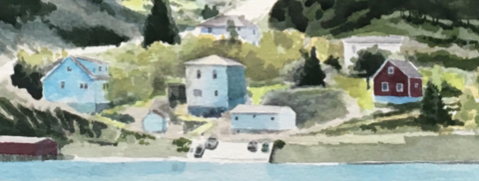
At a first glance, neither ‘pro’ nor ‘con’, and in some consternation at the quandary posed for display, the two sides seemed to have nothing in common. The item on the original side is radically different in technique which includes collaged segments from a separate watercolour (I do have two other previous wc works which also explore slice/rip/chop and paste) though this one adds a phrase from one of my poems.

And yet, by titling, these particular two are close Canadian kin: “Oceanside, Collins’ Cove, Burin, NL, 2017”. And “Oceanside, Peggys’ Cove Light, Peggy’s Cove, NS, circa 2007-10”.

Anyone who knows the Peggy’s Cove rocks at the light there will find an instant connection and cognition.

By extraordinary coincidence the poetry quote aptly says, “…down where the ripples of ending furl into ripples of beginning…”

I’ve decided I like both images enough to build a display frame that will exhibit both sides simultaneously.

I will also continue to sometimes include collaged compositions in some of my future watercolours. It enables such different compositions!